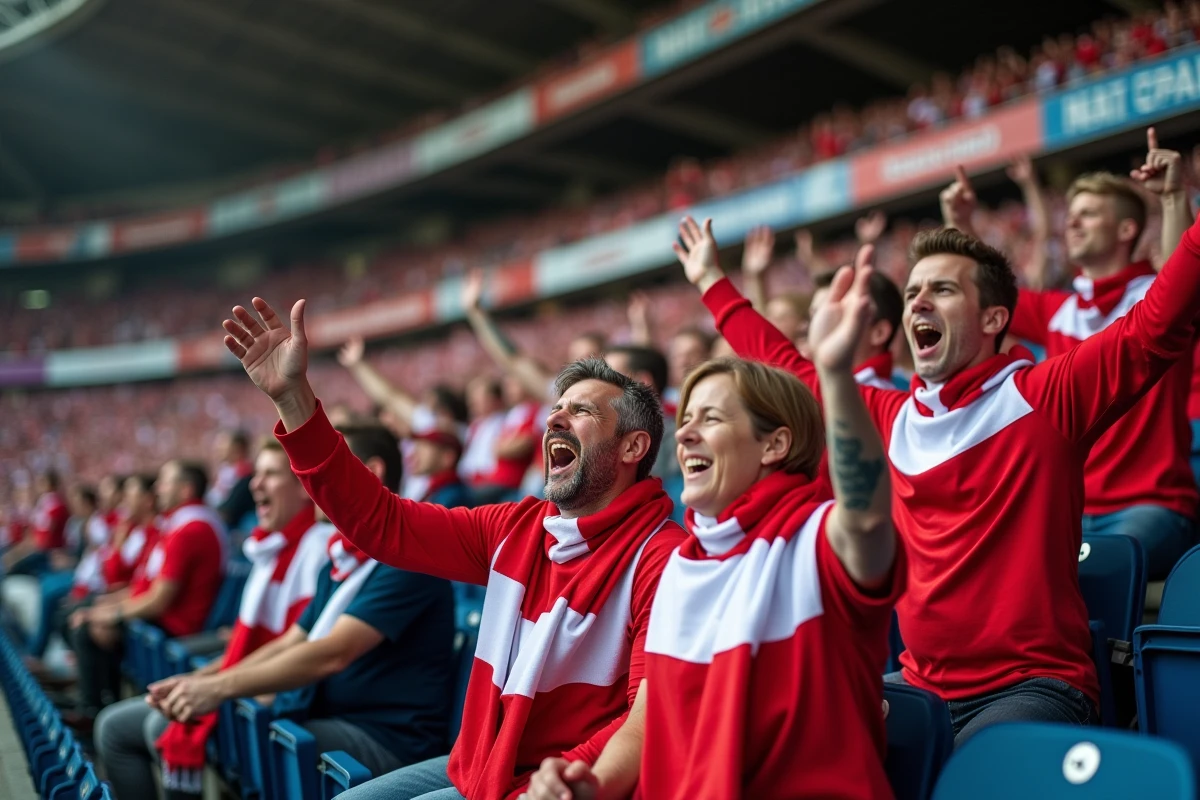
The Quimper-Lorient derby is not just a geographical opposition between two cities in Finistère and Morbihan. This rivalry is based on training dynamics, distinct fan cultures, and, for several seasons now, a battle for influence that plays out as much on social media as in the stands.
Prohibition of pyrotechnics and security management of Breton derbies
The FFF circular n°2025-042 of July 10, 2025, has changed the game for all regional Breton derbies, including the Quimper-Lorient confrontations. The total ban on flares and pyrotechnics in sports venues will take effect from the 2025-2026 season.
This measure has a direct impact on the scenography of the stands. The ultra groups from Lorient and Quimper had developed pyrotechnic choreographies during matches in lower divisions. The removal of this visual tool forces supporter associations to completely rethink their animations.
We observe that this regulatory constraint pushes the collectives to invest more in tifos, painted banners, and coordinated sound animations. The production cost of a full stand tifo remains high, which favors groups with a large base of contributors. To delve deeper into the Quimper Lorient match from a sporting perspective, the context of rivalry extends far beyond the pitch.

Quimper-Lorient supporters on social media: a digital rivalry
The generation of supporters emerging around this derby does not necessarily frequent the stadiums. Social media has become the primary field of expression for the rivalry, with dedicated accounts on X, Instagram, and TikTok publishing provocations, video montages, and pre-match analyses.
This phenomenon particularly affects those under twenty-five. Where previous generations were structured around local sections and bus trips, new supporters build their identity through short, viral content.
The mechanics of digital mobilization
Several elements distinguish this online mobilization from traditional practices:
- Parodic accounts and meme pages create a sense of belonging without requiring physical presence at the stadium, which broadens the geographical base of supporters well beyond Brittany.
- Live commentary on Twitch or YouTube during matches partially replaces the collective experience of the stand for remote supporters or those who do not have access to tickets.
- Digital clashes between rival groups generate algorithmic engagement that amplifies the derby’s visibility, attracting viewers who were previously unaware of this opposition.
This dynamic raises a fundamental question for clubs: how to channel the energy of supporters who no longer engage through official channels (ticketing, subscriptions, merchandise)? The digital supporter consumes the derby without generating direct revenue, but they produce free notoriety that communication services struggle to achieve on their own.
Training and youth pathways in Brittany: the stakes behind the derby
The Quimper-Lorient rivalry also has a structural dimension related to the detection of young players. FC Lorient has historically had a nationally recognized training center, having passed through the elite of French football. Quimper, through its amateur clubs and departmental structures, partially feeds this talent pool.
The tension arises from this asymmetry: the best Cornouaille players often move to Lorient, Brest, or Rennes, which fuels a feeling of sporting dispossession among Quimper supporters. The derby crystallizes this frustration, as it pits two living areas against each other whose footballing resources are very unequal.
A dense but fragile associative network
The network of amateur clubs in southern Finistère and Morbihan remains among the densest in France. This density ensures a renewal of the base of practitioners, but it also weakens small structures that lose their best elements as early as the U15 category.
Local educators play a often underestimated role in maintaining the rivalry. They pass on a derby culture to young people who, at times, have never attended a professional match. The derby is transmitted through the locker room before being experienced in the stands.

Stand culture and Breton identity in the Quimper-Lorient derby
Quimper and Lorient carry different urban identities that are reflected in their stands. Lorient, a city rebuilt after the war, has forged its footballing identity around the port and a working-class history. FC Lorient, founded on April 2, 1926, by the Cuissard family from a corporate team linked to fish trading, embodies this popular lineage.
Quimper claims a more deeply rooted identity in historical Breton culture, with a relationship to sport that also includes rugby and traditional games. This difference in sporting culture fuels distinct stand codes: chants, flags, and the relationship to the Breton language.
The Breton identity dimension does not serve as a unifying cement between the two cities. Instead, it produces local variations that reinforce the distinction. Each stand claims its own version of Bretons, making the derby more complex than a simple sporting opposition.
The Quimper-Lorient derby remains a strong territorial marker, carried by generations that no longer share the same modes of consuming football. The tension between physical stands and digital communities redefines the contours of this rivalry, without diminishing its intensity.