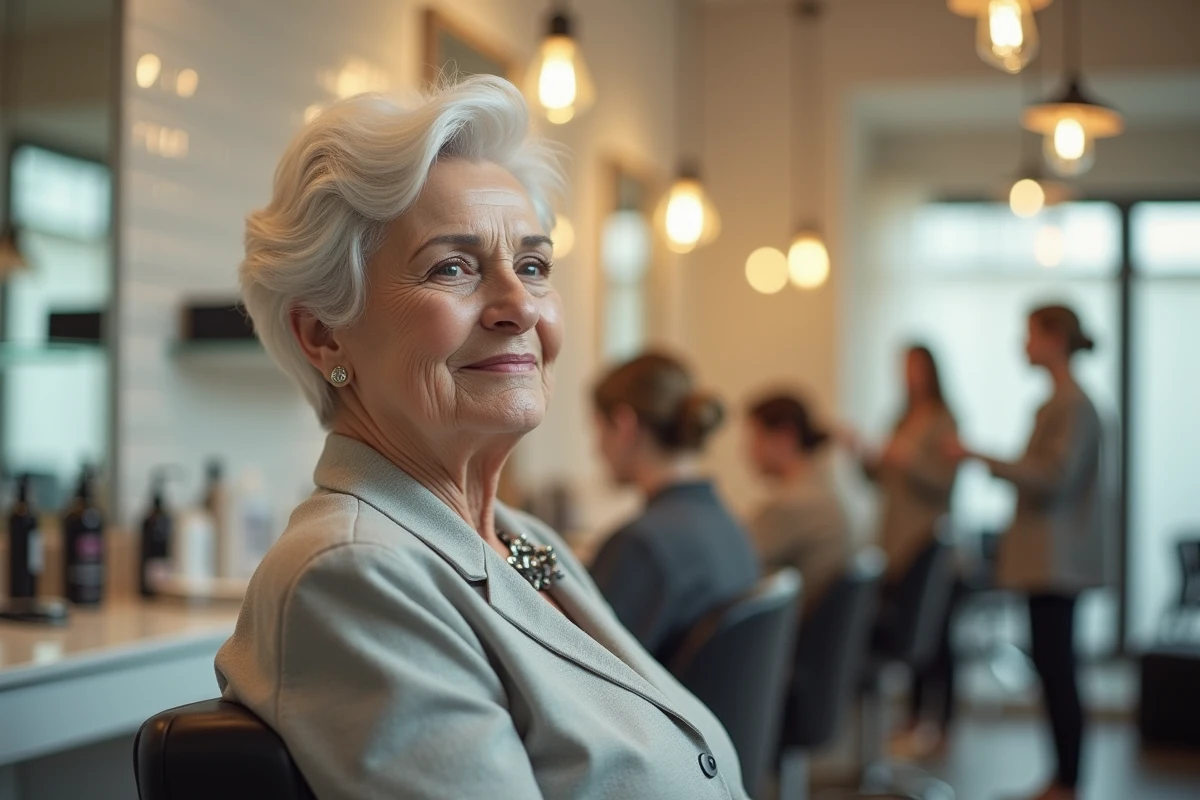
Choosing an easy short hairstyle for a 70-year-old woman depends on a few measurable criteria: hair texture (fine, thick, wavy), face shape, wearing glasses, and daily styling time. Mature hair loses density and gains dryness, which directs cuts towards structured shapes that are quick to maintain and compatible with scalp care.
The table below summarizes the characteristics of each haircut presented in this article, to facilitate comparison before heading to the salon.
| Haircut | Suitable Hair Type | Styling Time | Compatible with Glasses |
|---|---|---|---|
| Textured Pixie | Fine to medium | Less than 5 min | Yes |
| Structured Straight Pixie | Straight and dense | 5 min | Yes |
| Short Blurred Bob | Wavy or fine | 5-10 min | Yes |
| Short Layered Cut | Fine and thinning | Less than 5 min | Yes |
| Short Graduated Bob | Straight to wavy | 10 min | Depends on frame |
| Textured Boyish Cut | Thick or curly | Less than 5 min | Yes |
| Chin-Length Layered Bob | Medium, any texture | 5-10 min | Yes |
| Pixie with Curtain Bangs | Fine to medium | 5 min | Yes (bangs above) |
| Short Cut with Volume on Top | Very fine | 5 min | Yes |
| Natural Wavy Bob | Wavy or curly | 5 min (air drying) | Yes |
Finding the right easy short hairstyle for a 70-year-old woman depends on the balance between these parameters and the frequency of visits to the hairdresser (every four to six weeks for most of these cuts).
1. Textured Pixie on Fine Hair
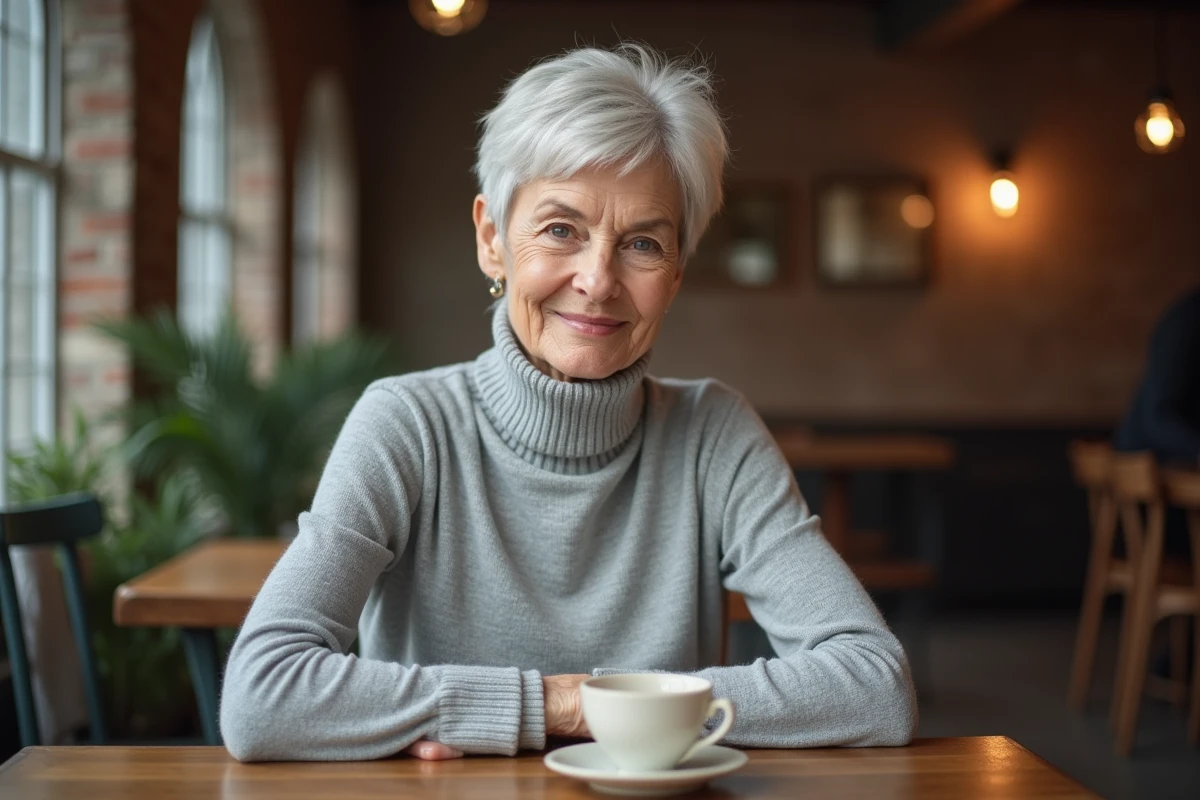
The textured pixie remains the quickest hairstyle to style for fine and graying hair. The strands are cut into very short layers on the sides and back, with a bit more length on top to create movement.
Styling is done by hand with a bit of matte wax, without blow-drying or irons. Recent training for hairdressers specializing in mature hair recommends this type of layered cut combined with thickening treatments rather than aggressive dyes that break fragile hair.
2. Structured Straight Pixie
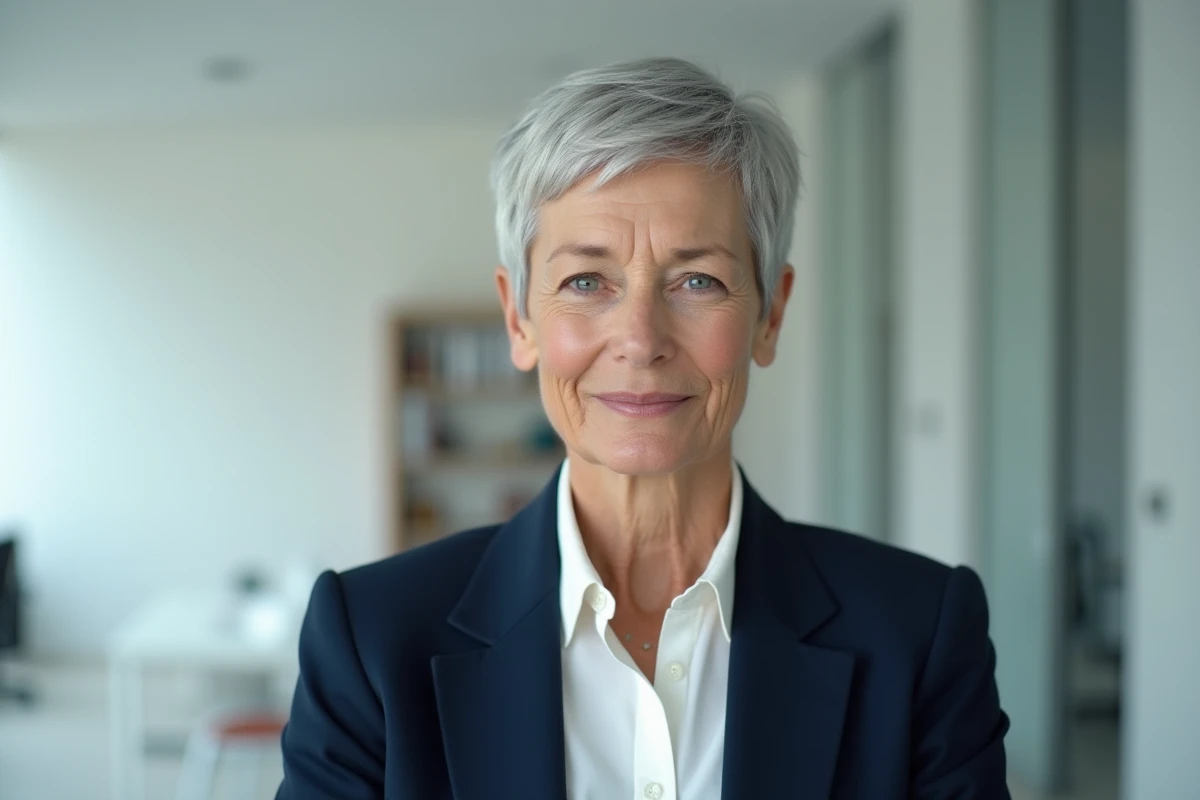
In contrast to the textured pixie, this version emphasizes clean, geometric lines. It suits straight hair that is still dense enough to hold a sharp shape.
The result is modern and assertive. Maintenance requires slightly more frequent visits to the hairdresser to keep the nape line sharp. The result works particularly well with rectangular frame glasses, as the straight lines of the cut echo those of the lenses.
3. Short Blurred Bob
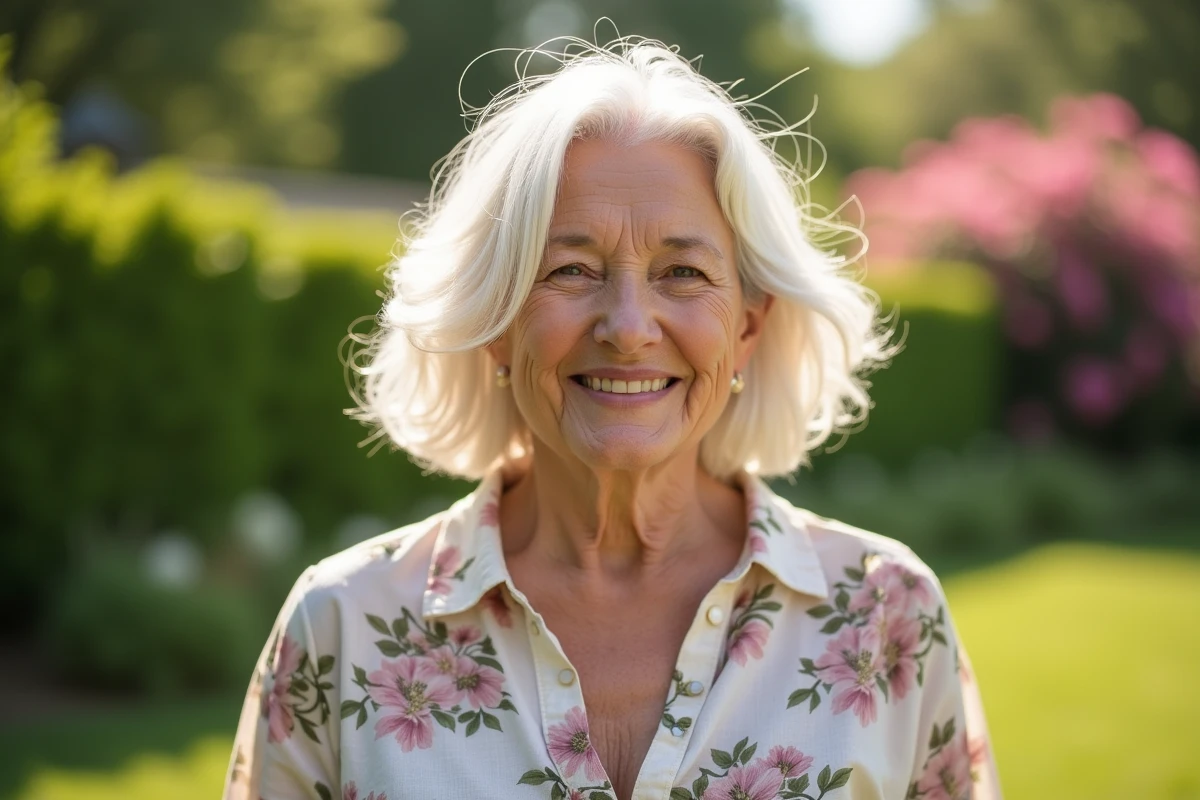
The short blurred bob brings softness around the face. The ends are slightly deconstructed to avoid the helmet effect that a too-strict bob can produce on hair that has lost volume.
This cut softens features without masking them, a point that occupational therapists and geriatric psychiatrists highlight as favorable for self-image in women living alone. Styling is limited to diffuser drying or air drying with a texturizing spray.
4. Short Layered Cut

The short layered cut redistributes volume where hair is lacking. The stacked layers on top give an impression of density, while the sides remain short and light.
This is the cut recommended by dermatologists for seniors’ sensitive scalps: short cuts make the scalp more accessible to soothing treatments and facilitate monitoring of skin lesions. The layering also masks areas of lower density much better than a uniform cut.
5. Short Graduated Bob
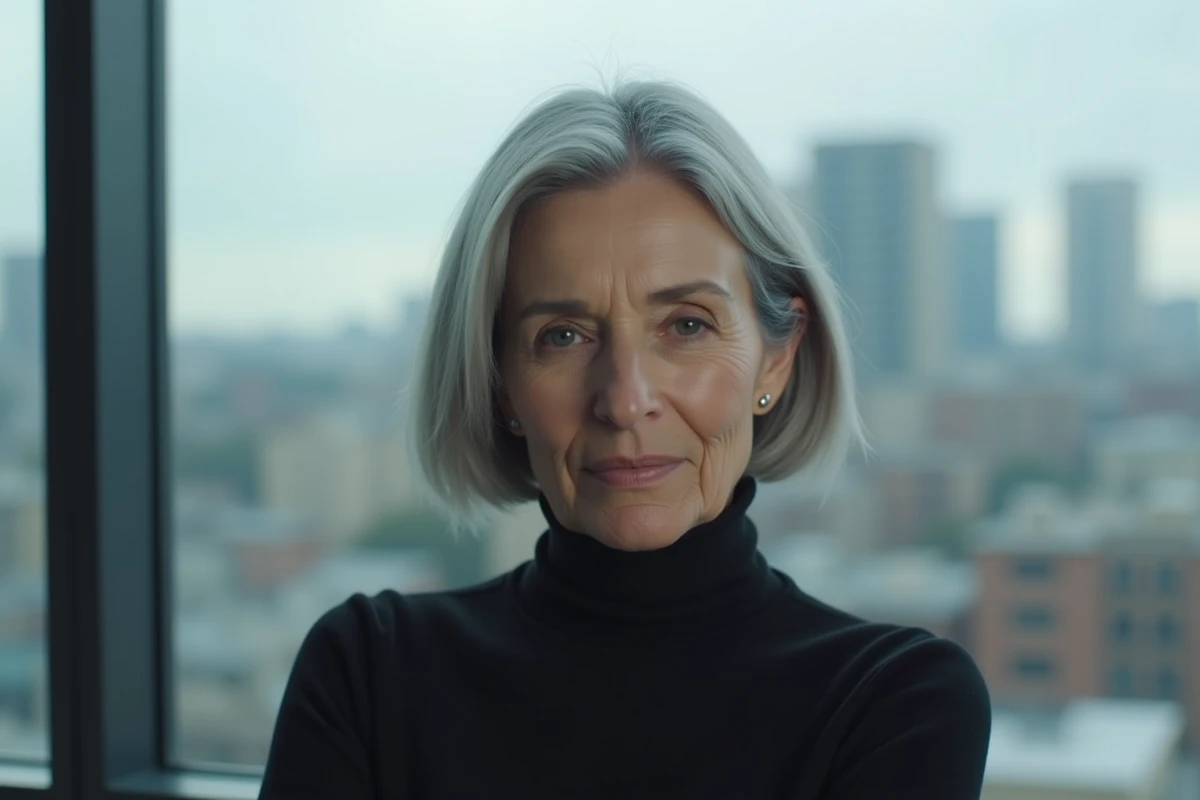
Longer in front than in the back, the short graduated bob structures the face by creating a framing effect. It requires straight to slightly wavy hair for the plunging line to remain visible.
Styling time is a bit longer than for a pixie (about ten minutes with light blow-drying). With large round frame glasses, the asymmetrical line of the graduated bob avoids the overly conservative effect that a classic bob can give.
6. Textured Boyish Cut
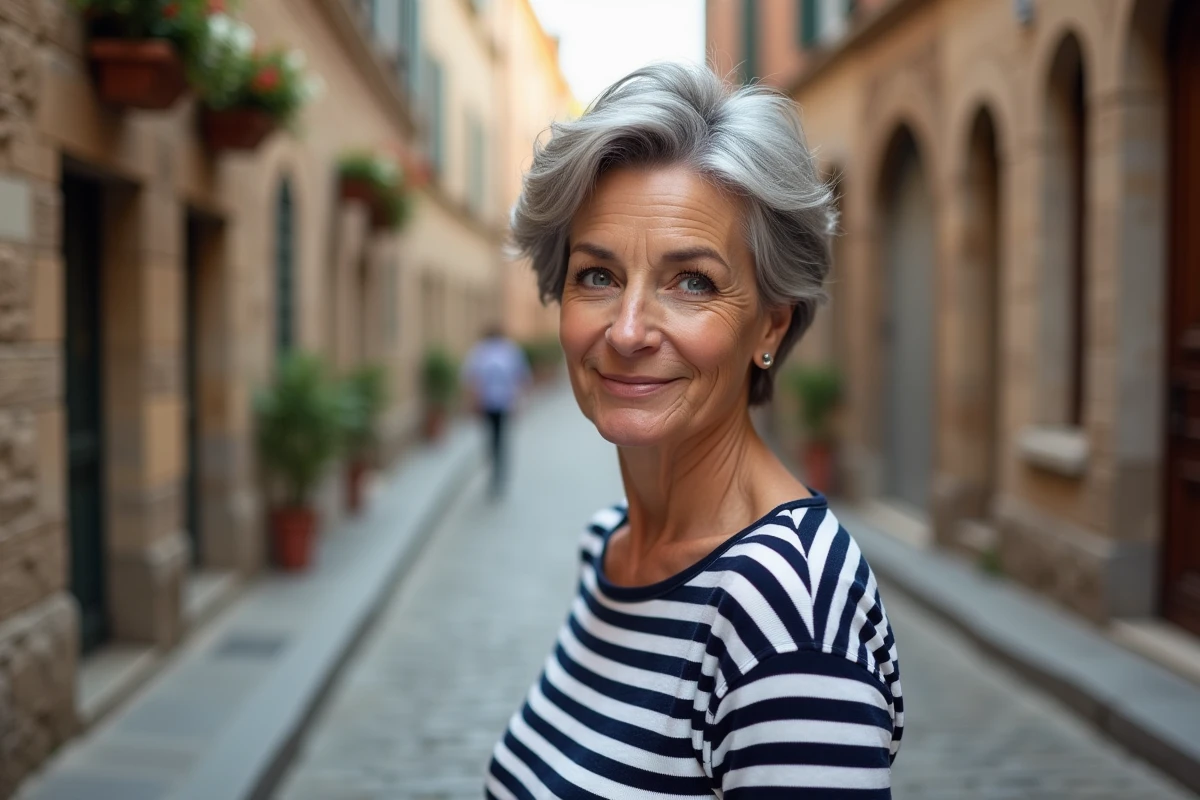
On thick or naturally curly hair, the textured boyish cut channels volume without flattening it. The hairdresser sculpts the material by leaving irregular length on top to allow the natural texture to express itself.
This cut reduces the use of heated styling tools, a practical safety advantage for older women living alone. A bit of styling cream applied to damp hair is enough.
7. Chin-Length Layered Bob
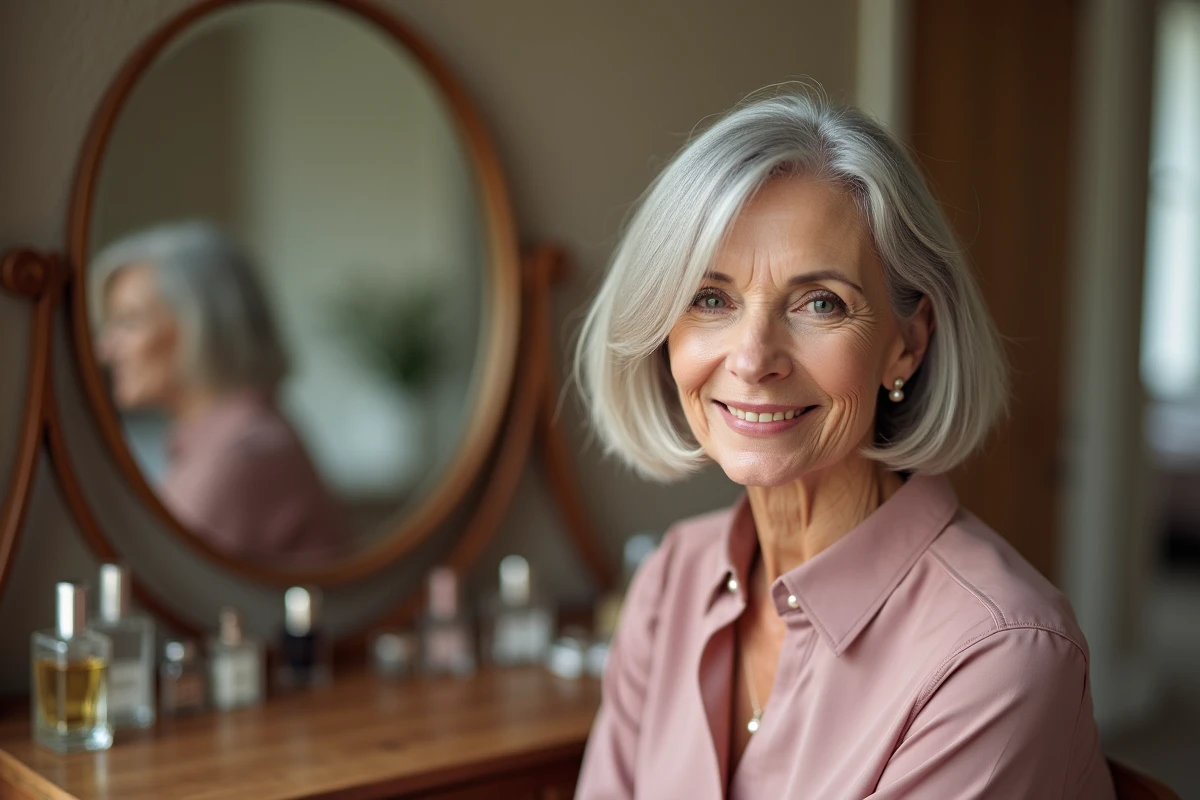
The chin-length bob offers a compromise between short and medium-long. The layering lightens the ends and prevents the hair from falling flat along the cheeks.
It suits most hair textures. Maintenance remains moderate: a quick blow-dry or natural drying with fingers. For round faces, the chin-length layered bob visually elongates the oval, making it a frequent choice among hairdressers specializing in mature hair.
8. Pixie with Curtain Bangs
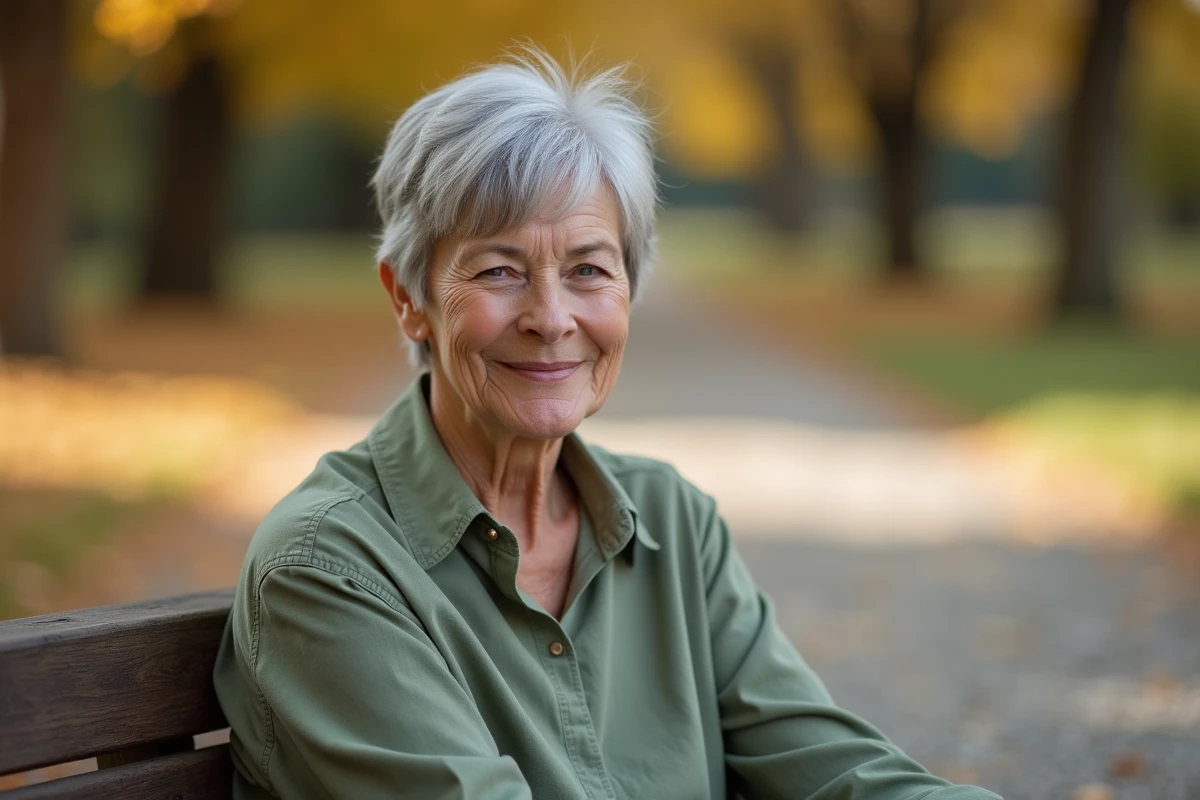
Adding curtain bangs to a pixie transforms the cut into a softer version. The curtain bangs naturally part in the middle of the forehead, making them compatible with glasses since they do not fall on the lenses.
This style works on fine to medium hair. The bangs require a quick round brush blow-dry in the morning, but the rest of the pixie is styled by hand. Expect a bang touch-up every three weeks to maintain the right length.
9. Short Cut with Volume on Top
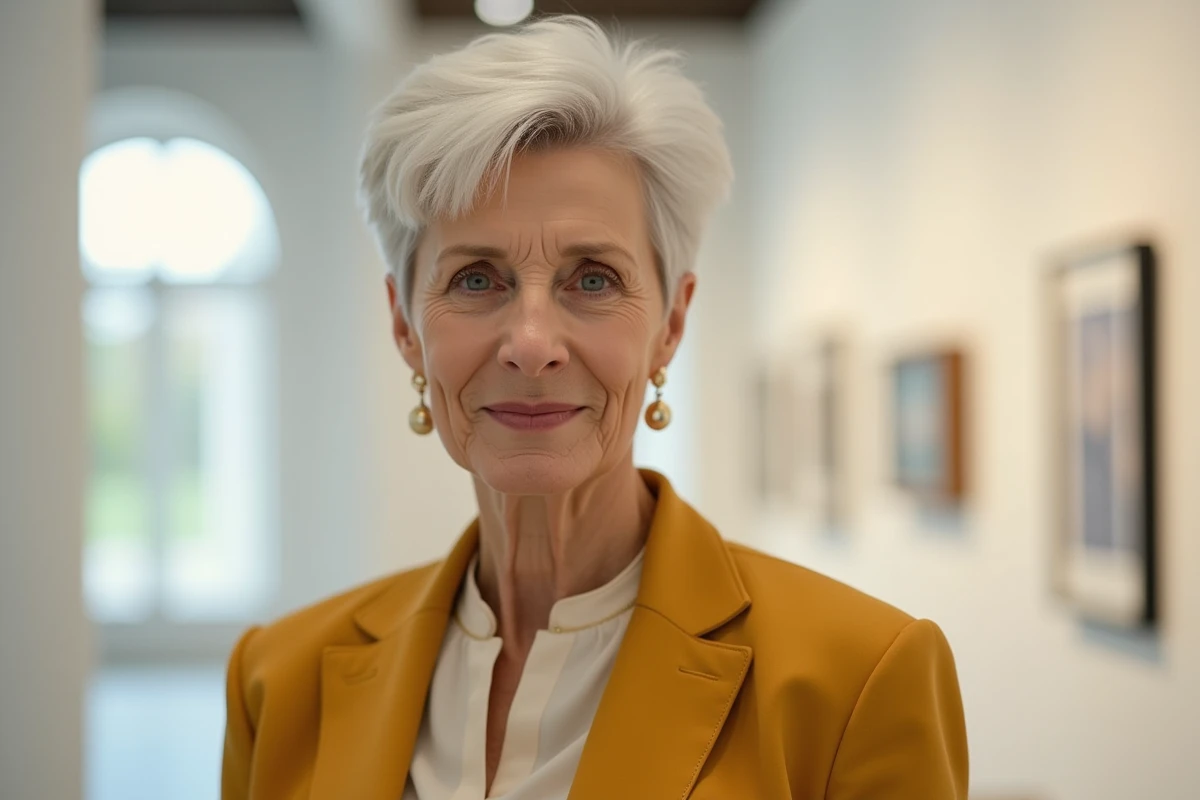
For very fine hair, concentrating volume only on the top of the head creates a height effect that rebalances the proportions of the face. The sides are cut very short, almost slicked down.
This contrast between a voluminous top and short sides creates a youthful effect without requiring thick styling products. A root volumizing spray and upside-down drying are sufficient. The cut ages well between salon appointments, reducing maintenance frequency.
10. Natural Wavy Bob

Women with white or gray hair that naturally frizzes can take advantage of this texture instead of straightening it. The natural wavy bob consists of cutting at jaw level while allowing the waves to be free.
Styling is minimal: a leave-in conditioner and air drying. This cut highlights the natural texture of mature hair and avoids damage from straighteners or curling irons. For glasses wearers, the waves around the face create a soft frame that softens the rigidity of the frames.
The choice between these ten cuts comes down to two practical questions: the actual texture of the hair (and not the one one wishes to have) and the acceptable daily styling time. Hairdressers trained in the specifics of mature hair increasingly guide towards structured short cuts combined with thickening treatments, an approach that preserves the hair fiber while simplifying the routine.