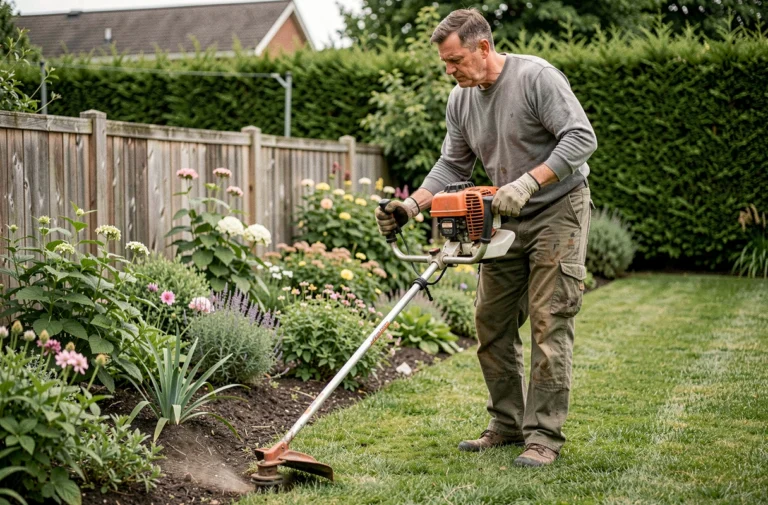
The grass does not regrow where the coolant has flowed. Not right away, and sometimes not at all. This product, designed for engines, leaves a lasting mark on lawns and soil. Ethylene glycol, its key ingredient, not only burns weeds: it seeps into the ground, disrupts the invisible life that makes it breathe, and compromises the balance of an entire garden. Several studies confirm that this type of spillage affects both microfauna and soil fertility.
The effects of coolant on a plant surface extend far beyond the mere disappearance of weeds. Even when applied in very small quantities, this product disrupts soil biodiversity and permanently damages its quality. It’s not just a matter of aesthetics: it’s the very dynamism of the garden that collapses under the influence of these invasive molecules.
Coolant on the lawn: what are the real risks for your garden?
In recent years, the use of herbicidal coolant has raised growing distrust among gardeners. Behind this action lie components far more suited to a car radiator than to the ecosystem of a lawn: ethylene glycol and propylene glycol. When they enter the soil, they do not simply eliminate the troublesome greenery. They travel further, infiltrate, pollute, and endanger domestic animals and wildlife. Animals are attracted to the sweet smell or taste of antifreeze, exposing them directly to serious, sometimes fatal, poisoning.
After just a few days, the signs of aggression do not go unnoticed: carpets of yellowing grass, rapid decline, disappearance of the microfauna that ensures soil vitality. Ethylene glycol, extremely toxic to both humans and the environment, can persist for several months and render any attempt to green the area futile as long as the soil remains contaminated. An excess of propylene glycol, even if it seems milder, also takes a toll on the vigor of lawns.
Among the most common impacts, we note:
- A serious risk of poisoning for domestic animals and small wildlife
- A lasting pollution of the soil and nearby groundwater
- The burden of treating these areas as waste to be closely monitored
By pouring such a product, one transforms a simple patch of grass into a polluted plot in just moments, with effects that extend beyond the confines of the private garden. The neighborhood environment, the health of all, can be disrupted.
Why do these substances harm grass and other plants?
The active ingredient in coolant primarily acts against engine freezing, but on a plant, it causes a completely different upheaval. As soon as ethylene glycol reaches the roots, it disrupts the internal functioning of the plant, creates intense stress, halts energy production, and ultimately leads to the death of plant tissues. We then observe areas where the grass dies quickly, dries up, and disappears, leaving behind a weakened soil, devoid of all microbial life necessary for the natural balance of the garden.
Propylene glycol, less virulent but far from harmless, acts if used in excessive amounts. It slows growth, alters the soil’s absorption capacity, and over time burdens the entire microflora. Domestic animals and wildlife, attracted by the smell, pay a heavy price if they ingest these substances, with consequences that can be irreversible.
Several mechanisms explain these harmful effects:
- Rapid destruction of plant tissues that causes plants to disappear within days
- Lasting soil pollution suffocating the biodiversity of the garden and altering natural exchange cycles
- Health risks for humans and animals whenever direct contact or ingestion occurs
These molecules resist in the soil for a long time. Avoiding the spread of coolant means preserving the richness and living balances that make a green space beautiful for the long term. A polluted plot only becomes fertile again after much effort in regeneration.
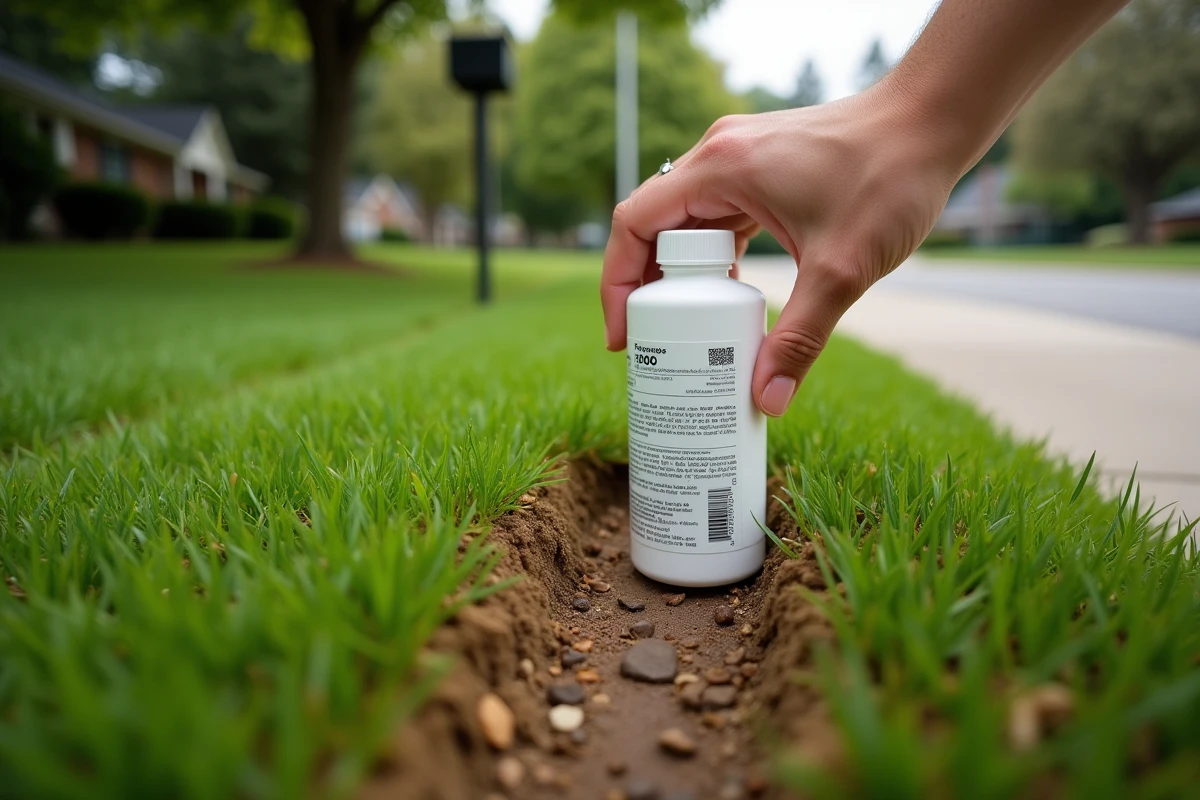
Safe and effective alternatives to maintain your green space
To combat unwanted plants, there are environmentally friendly options. Manual weeding remains at the forefront: turning or hoeing the soil, pulling by hand, are actions that maintain biodiversity while limiting the harmful effects of chemical solutions.
One can also use natural materials to protect the soil. Laying down straw, dead leaves, or dry grass helps limit the germination of harmful plants while creating a refuge for the microfauna that revitalizes the earth.
Depending on the situation, there are several natural solutions to tackle targeted areas: vinegar, salt, baking soda, or pelargonic acid. When properly dosed, these products can eliminate unwanted weeds without disrupting the ecosystem, provided one remains measured and preserves the life in the soil.
Another simple yet effective method is thermal weeding. Very hot water or thermal foam from plants destroys the aerial parts of weeds without polluting the subsoil. Additionally, ground cover plants or crop rotation disrupt the life cycle of weeds while enhancing the health of the lawn. Maintaining a green space means betting on natural regulation, observation, and preferring a thousand small actions over the systematic use of destructive products.
A healthy lawn is never guaranteed: each intervention can awaken or lull the life that makes it unique. Transform every square meter into a fertile breeding ground, or let chemistry decide for you. It is up to each person to choose in which world they want to walk barefoot tomorrow.