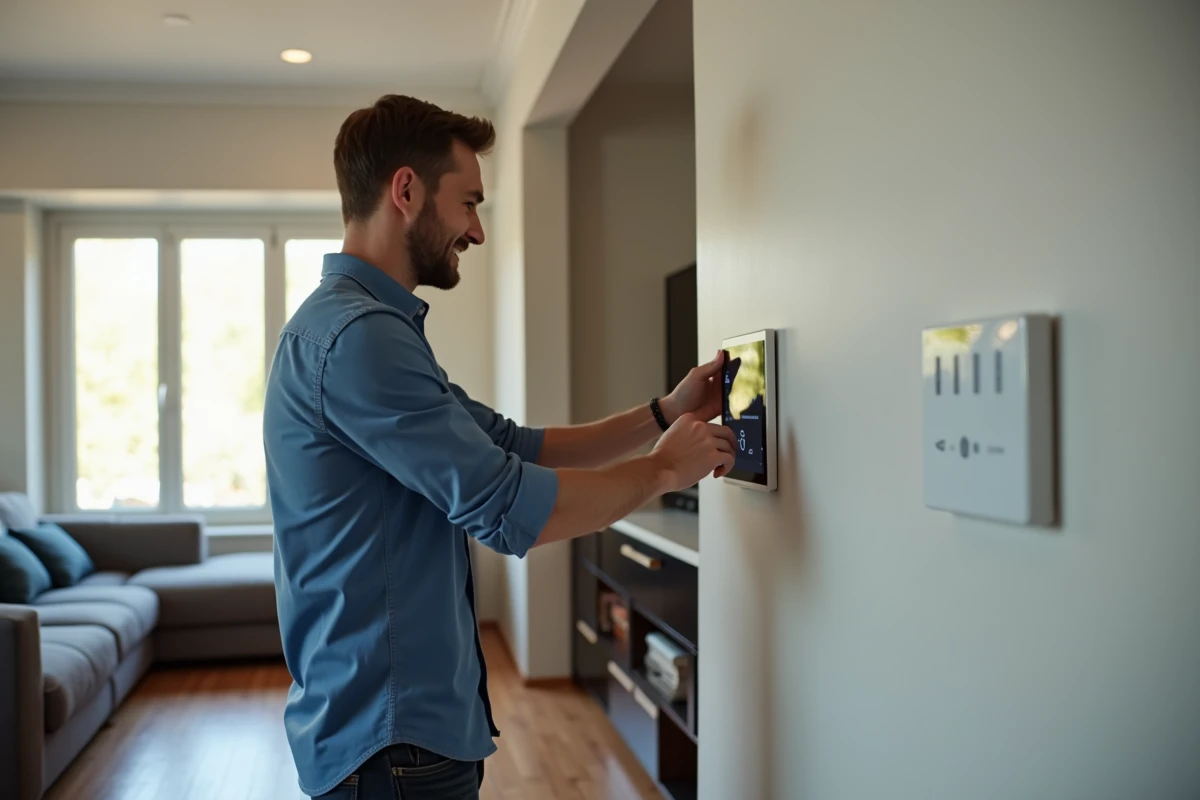
An impeccable home automation system is not measured by the number of connected devices lined up on a shelf or in the living room. What makes the difference is the precise assembly, the coherence between each protocol, each gateway, each interface. Manufacturers love to promise total compatibility, but when it comes time to pair the latest detector or synchronize the thermostat, incompatibilities arise unexpectedly. “Turnkey” offers never cover all actual uses or future developments.
Without a unique standard to enable communication between all these devices, every step of the design deserves careful consideration: choosing the central hub, securing the network, organizing the placement of modules, and planning for maintenance. A haphazard configuration, an approximate setup: that’s how to ruin all the benefits promised by the connected home in one fell swoop.
Home Automation Today: Understanding the Basics and Challenges of a Connected Home
Home automation has left the labs and is now making its way into homes, weaving a network of connected objects that transform daily life. We are sold comfort, increased security, and the possibility of making energy savings. But behind the promise, each home automation system reveals its share of technical and human challenges. This connected home questions the relationship between technology, inhabitants, and living space.To start on solid foundations, it is essential to distinguish the main types of installations: wired, radio, hybrid, centralized box, or decentralized architecture. This choice conditions the flow of data, the compatibility of connected objects, and the overall robustness in the long term. The rise of connected lighting, smart sensors, or thermal management (notably with the new thermal regulation) requires close attention. It is better to resist the trend effect than to face a widespread failure. The blog https://www.mrseb.fr/ sheds light on these issues by deciphering solutions that truly meet users’ needs. Home automation has become an optimization tool: automatic orchestration of shutters, alarms, thermostats, intercoms, personalized scenarios, consumption control. But to fulfill this promise, the home automation installation must rely on a solid technical foundation, designed to last and evolve.
Several principles must be followed to avoid turning the connected home into a convoluted mess:
- Ensure the coherence of protocols to guarantee the stability of the whole.
- Take advantage of the benefits of a connected home: comfort, security, energy savings, usage flexibility.
- Think about maintenance: anticipate technical support needs from the design stage.
What Steps to Prepare and Successfully Install Your Connected Home?
Before embarking on a home automation installation, take the time to identify what your home truly requires: do you want to enhance security, control connected lighting, manage connected heating? Examine your usage: schedules, habits, spaces involved. This analysis helps target the right equipment, from connected thermostats to smart LED bulbs.The choice of home automation installation type is crucial. Wired or wireless? For a light renovation, wireless solutions offer quick integration, while new construction allows for a more advanced installation. Always check the compatibility of each device: connected bulbs, sensors, modules for shutters or heating must be able to communicate with the central home automation box.The control interface is the epicenter of your experience. Opt for a dedicated mobile application, accessible via smartphone, tablet, or computer. The ergonomics and frequency of software updates are not secondary: the reliability of the system depends on it.
To clarify the preparation, here are the essential steps:
- Inventory the equipment to be connected: lighting, heating, security, multimedia, etc.
- Ensure that the network adequately covers all desired rooms and areas.
- Plan for system expansion to easily integrate future devices.
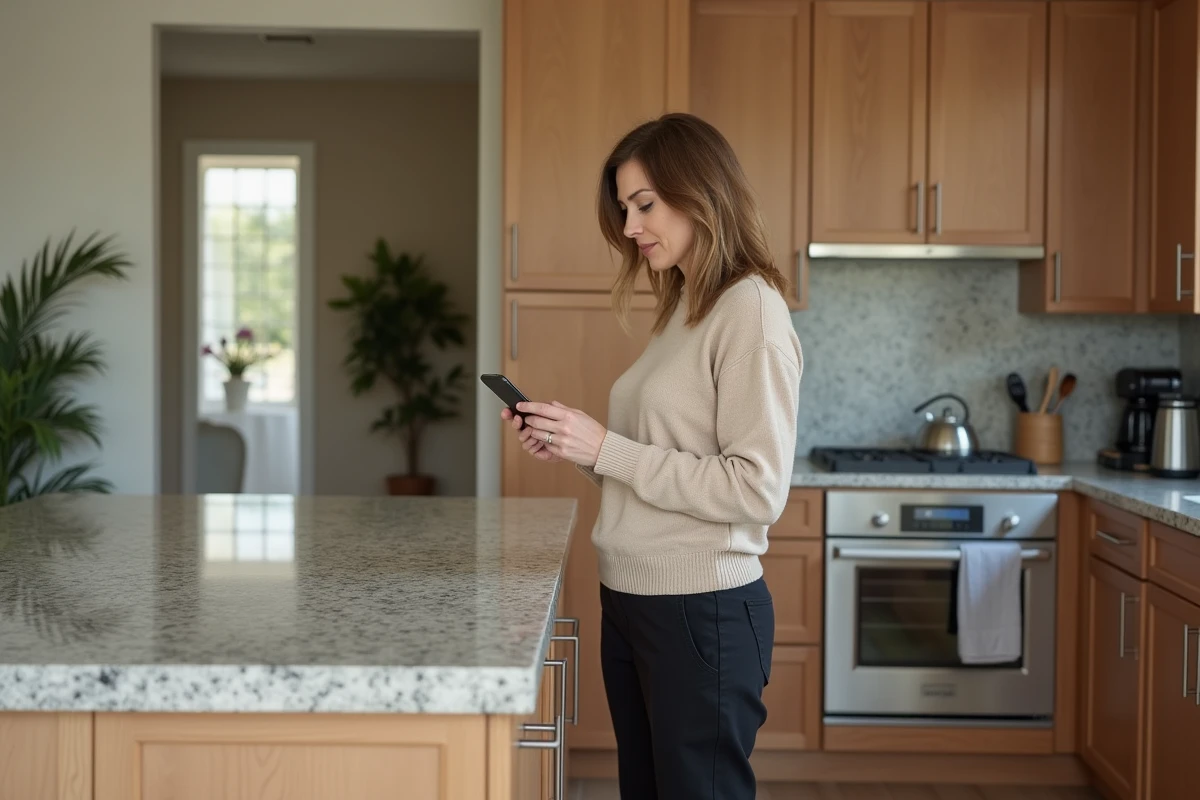
Compare Solutions and Choose the Right Suppliers for a Tailor-Made Home Automation Project
With the multitude of different home automation systems available, each project requires a rigorous analysis of needs. The protocols zigbee, zigbee or matter frequently come up in discussions. Interoperability, reliability, security: this is what separates a sustainable installation from a fragile assembly. Some systems open up to the outside, while others lock down their ecosystem. The home automation box acts as the conductor, responsible for synchronizing all connected devices.The market is full of offers, but quality varies greatly from one supplier to another. Favor those who document their products precisely, ensure reliable technical support, and provide regular updates. Specialized publications, such as the home automation guide by François-Xavier Jeuland, provide valuable insights into structuring a communicating home. Relying on expert advice helps avoid choices driven by novelty or advertising.To ensure the success of a tailor-made home automation installation, it is also essential to anticipate. Uses evolve, and so do needs. Assess the system’s ability to adapt to new devices, its flexibility, and ease of maintenance. Choosing a supplier is not just a matter of technical performance: reliability of customer service, transparency regarding warranties, and availability of spare parts weigh heavily in the balance. A well-thought-out home automation project starts there.
The connected home is a bet on the future. A successful technology is one that fades away to become simple, reliable, and almost invisible. It is up to each individual to carve their own path, without losing sight of the fact that home automation is nothing without the life that animates it.